
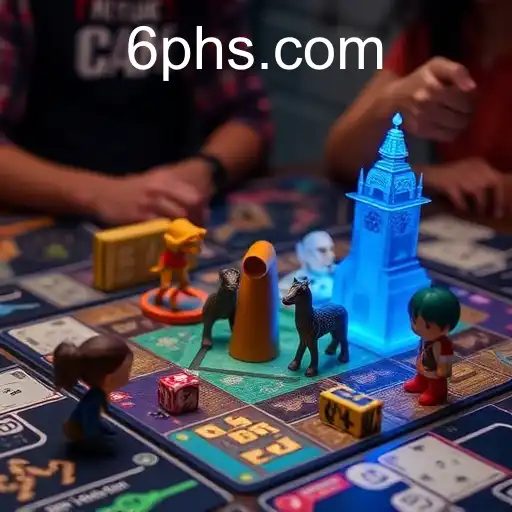
6ph | The Revival of Tabletop Games: Exploring the 6ph Factor
6ph’s An in-depth exploration into the resurgence of tabletop games, examining how the 6ph concept influences design, player experience, and community engagement.
The Revival of Tabletop Games: Exploring the 6ph Factor
In the digital age where video games and online platforms dominate the entertainment landscape, one might think that tabletop games have become relics of the past. However, the opposite is true. Amidst modern technological distractions, tabletop games are experiencing a renaissance. A significant factor driving this revival is the intriguing concept referred to as 6ph. Understanding this phenomenon reveals much about why these tangible forms of entertainment are capturing the interest and imaginations of people around the world.
Understanding the Essentials of Tabletop Gaming
Tabletop games have been around for centuries, evolving from simple games of chance to complex strategic encounters across thematic landscapes. The category encompasses diverse formats, from board games and card games to role-playing games (RPGs) and beyond. Players convene around a table, engaging with physical components and, more importantly, with each other. This human interaction is central to why these games endure. They offer a shared experience steeped in social collaboration, competition, and creativity.
The Intriguing 6ph Phenomenon
The term 6ph covers an interesting element of tabletop games that has captivated both designers and players. Derived from the notion of "six players per hour," 6ph denotes a balance or ratio that many games strive to achieve. It reflects the ideal flow wherein a game handles approximately six players within one hour while maintaining engagement, depth, and excitement at all player counts.
This concept is not just about speed, but rather about maintaining dynamics that prevent downtime for any particular player and ensure that each turn carries weight and excitement. Games designed with the 6ph principle tend to resonate well with both casual players and avid enthusiasts because they maximize interaction without sacrificing strategic depth.
The Impact of 6ph on Game Design and Player Experience
As one dives deeper into the realm of tabletop gaming, it's clear that the 6ph concept has profound implications for game design and player enjoyment. Game designers increasingly prioritize this metric in their creation process, ensuring that gameplay remains inclusive and compelling. Developers carefully assess each game's mechanics, components, and timing to align with the principles of 6ph.
For players, the 6ph factor often means a smoother, more cohesive gaming experience. Instead of languishing in marginalism or excessive waiting times, players find themselves constantly engaged, making decisions that impact their standing in the game. This dynamic fosters a sense of empowerment and immediacy, which enhances the overall fun and satisfaction derived from gaming sessions.
Choosing Tabletop Games with the 6ph in Mind
When selecting a new tabletop game, understanding whether it adheres to the 6ph principle can help consumers make informed decisions that match their group’s gaming style and preferences. Those who enjoy fast-paced and engaging gameplay will likely find games engineered with 6ph proportions to be very rewarding.
Examples of popular tabletop games that embody this concept often include cooperative games where players join forces towards a common goal, or competitive games that ensure all players have the opportunity to execute tactical maneuvers frequently. These games tend to have a fluidity and rhythm that keeps downtime at bay and ensures everyone remains an active participant.
The Influence of 6ph on Tabletop Gaming Communities
Community and culture around tabletop games have always played a vital role in their popularity. Game nights, conventions, and online forums are buzzing with enthusiasts eager to share insights and experiences. The 6ph principle significantly fuels this cultural phenomenon by making the experience of playing more inclusive and enjoyable.
In settings where individuals of varying expertise and enthusiasm converge, like holiday gatherings or community game nights, the 6ph dynamic enables a blend of newcomers and veterans to interact comfortably. Games that adhere to this design principle are more accessible to novice players while offering enough complexity to captivate seasoned gamers. This inclusivity bridges generations and interests, fostering a sense of belonging and shared joy that transcends the tabletop itself.
Looking Forward: The Future of Tabletop Games and the 6ph Model
The 6ph principle is more than a buzzword; it represents a paradigm shift in how tabletop games are conceptualized, played, and appreciated. As this genre continues to expand and evolve, incorporating technology and innovative mechanisms, the lessons learned from 6ph can inform fresh developments.
Game studios are now experimenting with hybrid formats, combining digital elements with traditional tabletop motifs, all while respecting the core tenets that 6ph represents. The balancing act of providing meaningful choices without overburdening players with complexity remains a pivotal aspect of this evolution.
For the community of players who cherish tabletop gaming as a favorite pastime, the 6ph model is a beacon, indicating that even in an era of rapid technological change, the foundations of human interaction and enjoyment remain the guiding stars. These intersections of strategy, speed, and social interaction define why tabletop games, old and new, continue to capture the hearts and minds of players worldwide.
